Why EPR Matters For UK Packaging Businesses
Extended Producer Responsibility, or EPR, is becoming an increasingly important consideration for businesses that place packaging on the UK market.
For many organisations, the subject can feel complex. The rules are evolving, reporting requirements are detailed, and the commercial impact is becoming harder to ignore. But while there is still plenty of discussion around the finer points, one thing is already clear: businesses need to be preparing now.
What EPR Means In Practice
In simple terms, EPR for packaging is designed to shift more of the cost of managing packaging waste onto the businesses that produce and supply packaging. UK government guidance makes clear that affected organisations may need to report packaging data and pay fees based on that data.
That means packaging is no longer just a functional or branding decision. It is increasingly a compliance, cost and sustainability issue too.
Key Questions To Ask About Your Packaging
For brands, retailers and manufacturers, this should be a prompt to take a closer look at the packaging they are currently using.
Questions worth asking include:
- Do we fully understand the materials in our packaging portfolio?
- Are we capturing the right data across our supply chain?
- Could some formats be reduced, redesigned or simplified?
- Are there opportunities to move into more widely recyclable or fibre-based solutions?
- Are we working with suppliers who understand the direction of travel?
Government guidance for 2026 places strong emphasis on identifying whether your organisation is affected, gathering the correct packaging data, and meeting reporting obligations on time.
Looking Beyond Compliance
While compliance is the immediate driver, there is also a bigger strategic picture. Businesses that review packaging now are likely to be in a stronger position not only to respond to EPR requirements, but also to meet customer expectations around sustainability, reduce unnecessary material use and improve operational efficiency.
How Cullen Supports EPR-Ready Packaging
At Cullen, we see this as part of a broader shift in how businesses think about packaging. More organisations are looking for solutions that balance performance, practicality and environmental responsibility. That includes reducing reliance on plastic where possible, improving recyclability, and designing packaging that works effectively throughout the supply chain.
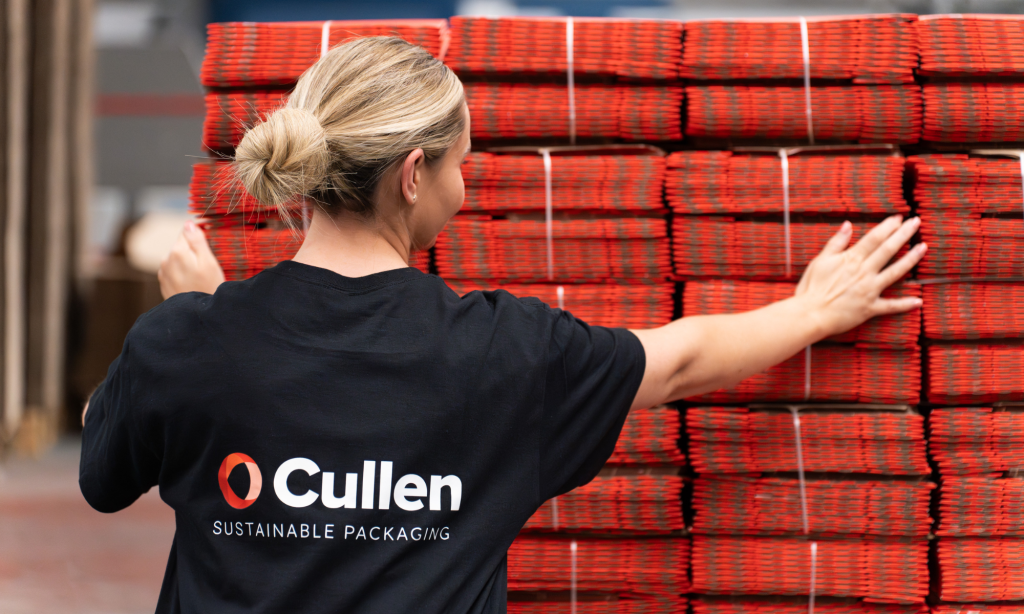
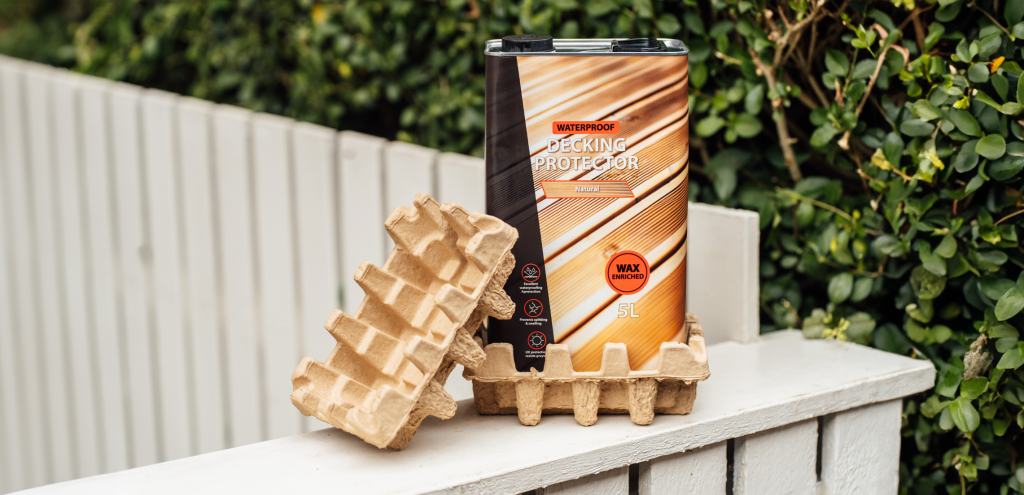
As a manufacturer of corrugated and moulded fibre packaging, Cullen works with customers to create solutions that are robust, scalable and aligned with changing sustainability expectations. Our integrated approach means we can help brands think beyond individual packaging items and instead look at the wider system — from protection in transit through to presentation on shelf and end-of-life considerations.
How Cullen Supports EPR-Ready Packaging
At Cullen, we see this as part of a broader shift in how businesses think about packaging. More organisations are looking for solutions that balance performance, practicality and environmental responsibility. That includes reducing reliance on plastic where possible, improving recyclability, and designing packaging that works effectively throughout the supply chain.
As a manufacturer of corrugated and moulded fibre packaging, Cullen works with customers to create solutions that are robust, scalable and aligned with changing sustainability expectations. Our integrated approach means we can help brands think beyond individual packaging items and instead look at the wider system – from protection in transit through to presentation on shelf and end-of-life considerations.
Start Preparing Now
EPR is not a challenge businesses can afford to leave until the last minute. Getting ready now means understanding your obligations, reviewing your packaging choices, and working with the right partners to put practical solutions in place.
This is only the start of the conversation, and we’ll be sharing more on EPR soon. But for businesses looking to prepare, the time to start asking the right questions is now.
If you’re reviewing your packaging strategy and want to explore more sustainable alternatives, Cullen is here to help. Contact us at sales@cullen.co.uk.
Why EPR Matters For UK Packaging Businesses
Extended Producer Responsibility, or EPR, is becoming an increasingly important consideration for businesses that place packaging on the UK market.
For many organisations, the subject can feel complex. The rules are evolving, reporting requirements are detailed, and the commercial impact is becoming harder to ignore. But while there is still plenty of discussion around the finer points, one thing is already clear: businesses need to be preparing now.
What EPR Means In Practice
In simple terms, EPR for packaging is designed to shift more of the cost of managing packaging waste onto the businesses that produce and supply packaging. UK government guidance makes clear that affected organisations may need to report packaging data and pay fees based on that data.
That means packaging is no longer just a functional or branding decision. It is increasingly a compliance, cost and sustainability issue too.
Key Questions To Ask About Your Packaging
For brands, retailers and manufacturers, this should be a prompt to take a closer look at the packaging they are currently using.
Questions worth asking include:
- Do we fully understand the materials in our packaging portfolio?
- Are we capturing the right data across our supply chain?
- Could some formats be reduced, redesigned or simplified?
- Are there opportunities to move into more widely recyclable or fibre-based solutions?
- Are we working with suppliers who understand the direction of travel?
Government guidance for 2026 places strong emphasis on identifying whether your organisation is affected, gathering the correct packaging data, and meeting reporting obligations on time.
Looking Beyond Compliance
While compliance is the immediate driver, there is also a bigger strategic picture. Businesses that review packaging now are likely to be in a stronger position not only to respond to EPR requirements, but also to meet customer expectations around sustainability, reduce unnecessary material use and improve operational efficiency.
How Cullen Supports EPR-Ready Packaging
At Cullen, we see this as part of a broader shift in how businesses think about packaging. More organisations are looking for solutions that balance performance, practicality and environmental responsibility. That includes reducing reliance on plastic where possible, improving recyclability, and designing packaging that works effectively throughout the supply chain.
As a manufacturer of corrugated and moulded fibre packaging, Cullen works with customers to create solutions that are robust, scalable and aligned with changing sustainability expectations. Our integrated approach means we can help brands think beyond individual packaging items and instead look at the wider system — from protection in transit through to presentation on shelf and end-of-life considerations.
How Cullen Supports EPR-Ready Packaging
At Cullen, we see this as part of a broader shift in how businesses think about packaging. More organisations are looking for solutions that balance performance, practicality and environmental responsibility. That includes reducing reliance on plastic where possible, improving recyclability, and designing packaging that works effectively throughout the supply chain.
As a manufacturer of corrugated and moulded fibre packaging, Cullen works with customers to create solutions that are robust, scalable and aligned with changing sustainability expectations. Our integrated approach means we can help brands think beyond individual packaging items and instead look at the wider system – from protection in transit through to presentation on shelf and end-of-life considerations.
Start Preparing Now
EPR is not a challenge businesses can afford to leave until the last minute. Getting ready now means understanding your obligations, reviewing your packaging choices, and working with the right partners to put practical solutions in place.
This is only the start of the conversation, and we’ll be sharing more on EPR soon. But for businesses looking to prepare, the time to start asking the right questions is now.
If you’re reviewing your packaging strategy and want to explore more sustainable alternatives, Cullen is here to help. Contact us at sales@cullen.co.uk.