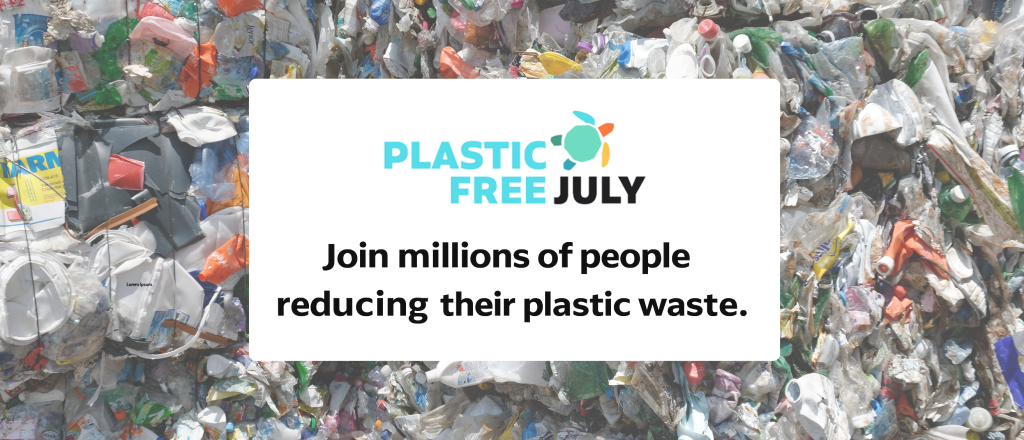
Every July, Plastic Free July encourages millions of people around the world to rethink their reliance on single-use plastics. From reusable coffee cups to refillable water bottles, the campaign demonstrates how small changes can collectively make a significant environmental impact.
For businesses, however, one of the biggest opportunities to reduce plastic waste isn’t found in the staff kitchen or office recycling bins.
It’s found in their packaging.
As customer expectations evolve and legislation continues to reshape the packaging landscape, now is the ideal time to ask an important question:
Is your packaging working as hard as it could for your business and the environment?
Packaging Is Under More Scrutiny Than Ever
Packaging has always had an important job to do – protecting products throughout the supply chain while delivering a positive customer experience.
Today, it’s expected to do even more.
Businesses are increasingly balancing product protection with sustainability goals, recyclability, operational efficiency and evolving legislation. At the same time, customers, retailers and supply chain partners are placing greater emphasis on reducing unnecessary plastic and improving the environmental impact of packaging.
One of the biggest drivers behind this shift is the UK’s Extended Producer Responsibility (EPR) scheme.
Designed to encourage better packaging design and improve recycling rates, EPR places greater financial responsibility on producers for the cost of managing household packaging waste. As the scheme develops, businesses are being encouraged to review the packaging they place on the market and consider how material choice, recyclability and packaging design could influence both environmental impact and future costs.
For many organisations, packaging is no longer just an operational necessity.
It’s becoming a strategic business decision.
What is Extended Producer Responsibility (EPR)?
Extended Producer Responsibility (EPR) is changing the way packaging is managed in the UK. The scheme places greater responsibility on producers for the costs associated with managing household packaging waste, encouraging businesses to use packaging that is easier to recycle and more resource efficient.
For many organisations, now is the ideal time to review existing packaging and identify opportunities to improve both sustainability and long-term cost efficiency.
Sustainable Packaging Is About Better Design
Reducing plastic doesn’t simply mean replacing one material with another.
The most effective packaging solutions consider the entire journey of a product—from manufacture and transportation through to use, recycling and disposal.
Sometimes that means replacing plastic inserts with moulded fibre.
Sometimes it means redesigning a corrugated transit pack to reduce material usage, eliminate plastic void fill and optimise pallet efficiency.
Often, it’s a combination of both.
At Cullen, we believe sustainable packaging starts with asking the right questions before selecting the right materials.
One Packaging Partner. Two Solutions.
One of Cullen’s greatest strengths is our ability to design and manufacture both moulded fibre and corrugated packaging under one roof.
This allows us to create complete fibre-based packaging systems tailored to each application.
Our moulded fibre packaging protects products across a wide range of industries, including:
Alongside this, our corrugated packaging helps businesses optimise transit protection and operational efficiency through solutions including:
Many of our customers benefit from combining both materials into a single packaging solution, reducing unnecessary plastic while improving protection, efficiency and recyclability across the supply chain.
Better Packaging Delivers More Than Sustainability
Well-designed packaging doesn’t just support environmental goals.
It can also help businesses:
- Reduce unnecessary packaging materials
- Improve recyclability
- Reduce product damage during transit
- Improve packing efficiencies
- Optimise pallet utilisation
- Prepare for changing legislation, including EPR
- Enhance customer perception
Sustainability and performance should never be competing priorities.
The best packaging delivers both.
Plastic Free July Is Just the Beginning
Plastic Free July provides an opportunity to start conversations.
The real impact comes from the decisions businesses make afterwards.
Whether that’s replacing plastic inserts, redesigning a corrugated pack or reviewing an entire packaging system, small improvements can create significant environmental and commercial benefits over time.
At Cullen, we don’t design plastic-free packaging for one month of the year.
We engineer fibre-based packaging solutions every day.
Start with a Packaging Performance Review
Not sure where to begin? Our Packaging Performance Review helps identify opportunities to reduce unnecessary packaging, improve efficiency, replace plastic where appropriate and prepare your packaging strategy for the future. Whether you’re using moulded fibre, corrugated packaging or a combination of both, we’ll work with you to find the right solution for your products and supply chain.
Every July, Plastic Free July encourages millions of people around the world to rethink their reliance on single-use plastics. From reusable coffee cups to refillable water bottles, the campaign demonstrates how small changes can collectively make a significant environmental impact.
For businesses, however, one of the biggest opportunities to reduce plastic waste isn’t found in the staff kitchen or office recycling bins.
It’s found in their packaging.
As customer expectations evolve and legislation continues to reshape the packaging landscape, now is the ideal time to ask an important question:
Is your packaging working as hard as it could for your business and the environment?
Packaging Is Under More Scrutiny Than Ever
Packaging has always had an important job to do – protecting products throughout the supply chain while delivering a positive customer experience.
Today, it’s expected to do even more.
Businesses are increasingly balancing product protection with sustainability goals, recyclability, operational efficiency and evolving legislation. At the same time, customers, retailers and supply chain partners are placing greater emphasis on reducing unnecessary plastic and improving the environmental impact of packaging.
One of the biggest drivers behind this shift is the UK’s Extended Producer Responsibility (EPR) scheme.
Designed to encourage better packaging design and improve recycling rates, EPR places greater financial responsibility on producers for the cost of managing household packaging waste. As the scheme develops, businesses are being encouraged to review the packaging they place on the market and consider how material choice, recyclability and packaging design could influence both environmental impact and future costs.
For many organisations, packaging is no longer just an operational necessity.
It’s becoming a strategic business decision.
What is Extended Producer Responsibility (EPR)?
Extended Producer Responsibility (EPR) is changing the way packaging is managed in the UK. The scheme places greater responsibility on producers for the costs associated with managing household packaging waste, encouraging businesses to use packaging that is easier to recycle and more resource efficient.
For many organisations, now is the ideal time to review existing packaging and identify opportunities to improve both sustainability and long-term cost efficiency.
Sustainable Packaging Is About Better Design
Reducing plastic doesn’t simply mean replacing one material with another.
The most effective packaging solutions consider the entire journey of a product—from manufacture and transportation through to use, recycling and disposal.
Sometimes that means replacing plastic inserts with moulded fibre.
Sometimes it means redesigning a corrugated transit pack to reduce material usage, eliminate plastic void fill and optimise pallet efficiency.
Often, it’s a combination of both.
At Cullen, we believe sustainable packaging starts with asking the right questions before selecting the right materials.
One Packaging Partner. Two Solutions.
One of Cullen’s greatest strengths is our ability to design and manufacture both moulded fibre and corrugated packaging under one roof.
This allows us to create complete fibre-based packaging systems tailored to each application.
Our moulded fibre packaging protects products across a wide range of industries, including:
Alongside this, our corrugated packaging helps businesses optimise transit protection and operational efficiency through solutions including:
Many of our customers benefit from combining both materials into a single packaging solution, reducing unnecessary plastic while improving protection, efficiency and recyclability across the supply chain.
Better Packaging Delivers More Than Sustainability
Well-designed packaging doesn’t just support environmental goals.
It can also help businesses:
- Reduce unnecessary packaging materials
- Improve recyclability
- Reduce product damage during transit
- Improve packing efficiencies
- Optimise pallet utilisation
- Prepare for changing legislation, including EPR
- Enhance customer perception
Sustainability and performance should never be competing priorities.
The best packaging delivers both.
Plastic Free July Is Just the Beginning
Plastic Free July provides an opportunity to start conversations.
The real impact comes from the decisions businesses make afterwards.
Whether that’s replacing plastic inserts, redesigning a corrugated pack or reviewing an entire packaging system, small improvements can create significant environmental and commercial benefits over time.
At Cullen, we don’t design plastic-free packaging for one month of the year.
We engineer fibre-based packaging solutions every day.
Start with a Packaging Performance Review
Not sure where to begin? Our Packaging Performance Review helps identify opportunities to reduce unnecessary packaging, improve efficiency, replace plastic where appropriate and prepare your packaging strategy for the future. Whether you’re using moulded fibre, corrugated packaging or a combination of both, we’ll work with you to find the right solution for your products and supply chain.